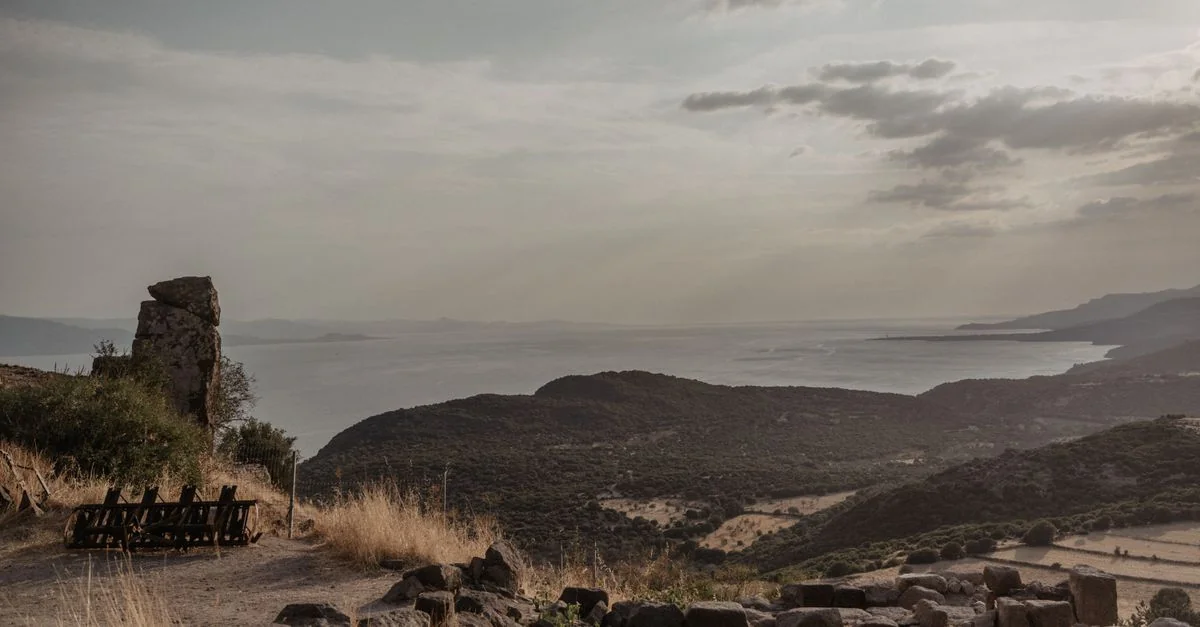
The historic streets of Kerkira present a unique layout of Venetian fortresses and narrow alleys that naturally lend themselves to puzzle-based exploration. Having played hundreds of physical escape rooms across every continent, my radar always pings when a city offers outdoor puzzle games that utilize its actual architecture. Kerkira is no exception, offering a distinct style of participatory gameplay that shifts the traditional four-walled puzzle box directly into the Mediterranean sunlight. Escape Rooms in Kerkira: What to Expect # When stepping into a puzzle experience in Kerkira, participants should discard expectations of standard indoor escape rooms featuring padlocks, UV reactive paint, and countdown timers bolted to interior brick walls. Instead, the local puzzle landscape relies on self-guided exploration games played through mobile devices. Players navigate historical landmarks, decipher architectural clues, and interact with the physical environment of the old town. Practical tip: Wear comfortable walking shoes with good grip, as the cobblestone streets in the old town of Kerkira can become quite slippery underfoot.
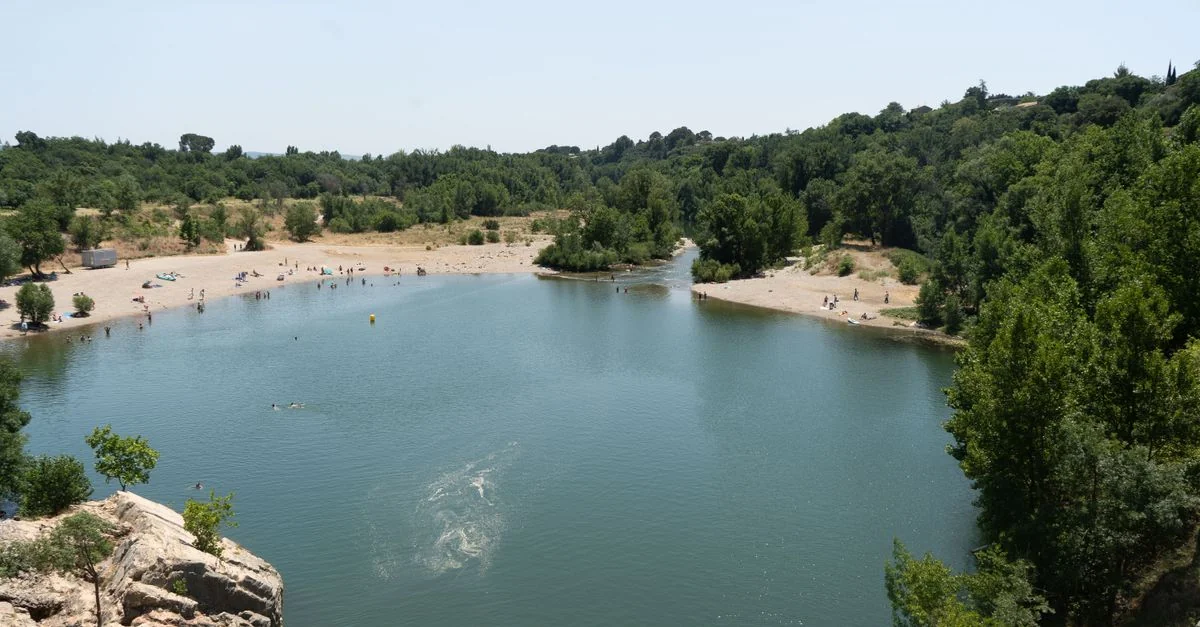
Standing on the sun-baked cobblestones of Montpellier with a smartphone in hand and a stopwatch ticking in my pocket, I am reminded why I travel the globe tracking down puzzle trails. Having cracked codes in hundreds of breakout rooms from Tokyo to Budapest, my internal radar for engaging design is finely tuned. When analyzing the puzzle landscape in Hérault, France, you quickly realize the region leans toward independent, outdoor logic challenges rather than traditional basement lock-ins. The specific geography of this southern French department, with its medieval alleyways and historic squares, provides a natural stage for interactive deduction. Escape Rooms in Hérault: What to Expect # When you step up to an interactive puzzle experience in Hérault, you leave behind the standard four walls, a timer countdown clock on the wall, and a gamemaster watching through a camera lens. Instead, the local style favors outdoor urban exploration where the city itself becomes your playing field. You will interact with statues, building facades, and local landmarks to solve sequential clues. The environment replaces the physical props of a typical studio room, demanding that you observe your surroundings with the same analytical eye you would apply to a mechanical puzzle box. As someone who has spent thousands of hours deciphering obscure riddles, I appreciate how the historic architecture of the region integrates seamlessly into the narrative design of these games. Practical tip: Always charge your mobile device to maximum capacity before starting an outdoor urban puzzle game, as constant GPS usage and digital clue-checking will drain your battery fast.

As someone who has hunted down physical locks, deciphered complex ciphers, and sprinted against countdown timers in hundreds of venues across the globe, my ears always prick up when a new puzzle environment crosses my radar. The labyrinthine streets of Hoàn Kiếm offer a unique urban popular with seekers of interactive logic challenges. Having walked these exact pavements with my trusty notebook and pen in hand, I can tell you that puzzle experiences here take on a distinct regional flavor, blending self-guided exploration with local lore. Escape Rooms in Hoàn Kiếm: What to Expect # When you picture an escape room, you likely imagine a linear sequence of four walls, a ticking wall clock, and a gamemaster watching through a grainy camera feed. In Hoàn Kiếm, the physical footprint of puzzle-solving shifts outdoors into the open air. Instead of being locked inside a standard room, you are dropped directly into the urban geography of the district. Expect to interact with street art, historic plaques, architectural facades, and local landmarks as your primary puzzle components. The games rely heavily on mobile-guided applications that track your progress, deliver clues when you hit a dead end, and present riddles based on your immediate surroundings. Practical tip: Always bring a fully charged power bank, because outdoor puzzle games will drain your smartphone battery far quicker than a standard indoor facility.
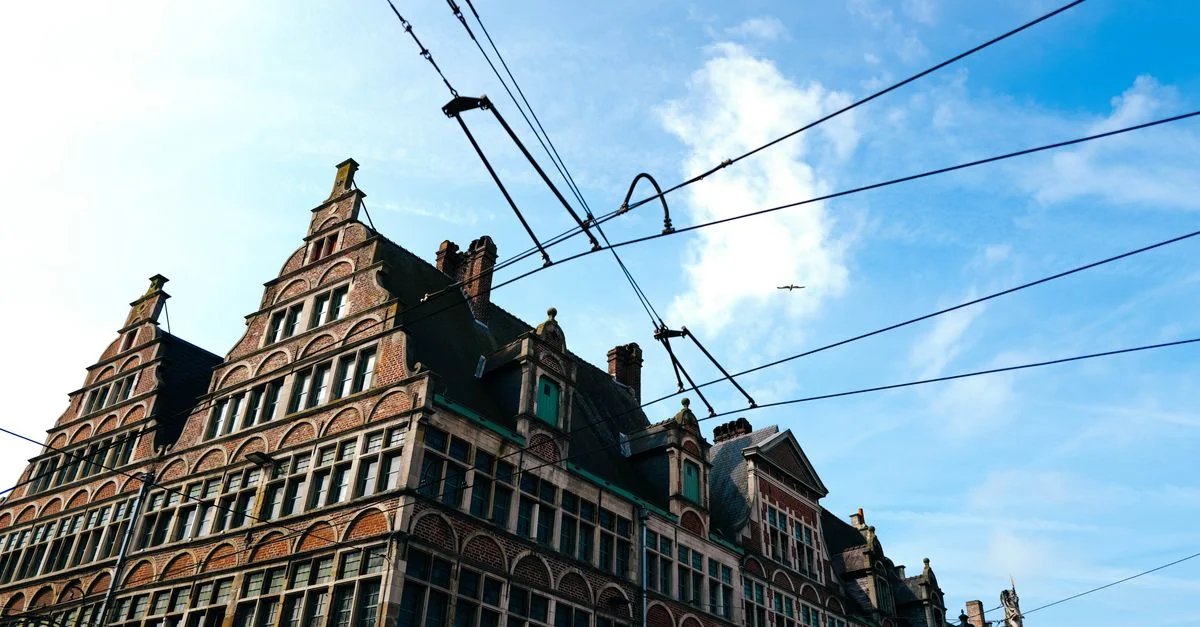
I remember standing in a damp alleyway in Prague, checking my watch as the countdown timer ticked down to zero, realizing too late that I misread a cipher symbol on the wall. That failure cost my team our twentieth consecutive win, but it taught me that outdoor mystery games and city-wide puzzle trails demand a completely different mental gear than standard brick-and-mortar chambers. When you step outside a traditional four-walled game room and onto the pavement of a new municipality, you are no longer just managing a padlock inventory; you are treating the entire urban grid as your game board. HT, Belgium offers a specific flavor of puzzle design through its mobile-style interactive detective experiences. Having cleared hundreds of venues across multiple continents, I look at these offerings with a pragmatic eye. You do not get the heavy hydraulic doors, the theatrical fog machines, or the GM whispering clues through a vintage telephone here. Instead, you get pure deductive reasoning, environmental observation, and location-based sleuthing. Let us break down how to approach the puzzle landscape in HT.
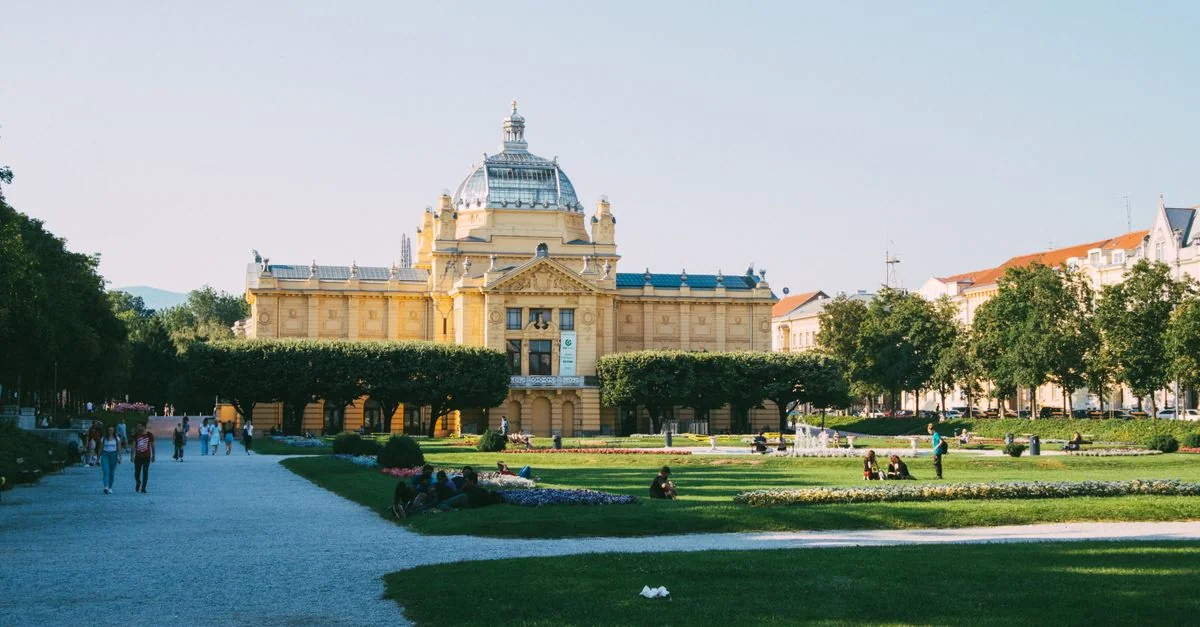
Having stepped into hundreds of puzzle rooms across the globe, from cramped warehouses in Tokyo to historic basements in Budapest, I always scan the local puzzle landscape whenever I touch down in a new city. Grad Zagreb holds a specific kind of charm for people who love logic locks, deduction, and environmental storytelling. The capital of Croatia operates on its own rhythm, blending Austro-Hungarian architecture with a burgeoning independent gaming scene that rewards observant players. When you walk the cobbled streets of the Upper Town, you realize the city itself acts as a massive urban game board, waiting for someone to examine the facades, count the gas lamps, and decode the history carved into the stone. Escape Rooms in Grad Zagreb: What to Expect # Stepping into the puzzle scene of Grad Zagreb requires a slight shift in mindset compared to standard commercial storefront facilities found in other European capitals. While many global cities lean heavily toward high-budget, animatronic-heavy Hollywood sets, the experiences available here emphasize clever narrative integration, local flavor, and deductive reasoning that forces you to engage directly with the physical environment. When you take on a puzzle experience in this region, expect a distinct focus on spatial awareness and historical context rather than brute-force physical manipulation. Game masters here operate with a subtle, hands-off approach, offering nudges only when your team hits a solid brick wall, which respects the integrity of the puzzle flow. Communication between teammates becomes your most powerful tool, as information is rarely handed to you on a single silver platter; instead, it is scattered across different zones, requiring careful delegation and synthesis of clues. For practical preparation, always arrive at your designated meeting point ten minutes prior to the start time, as briefing procedures often set the mood and rules for the narrative ahead without wasting your precious active game clock.
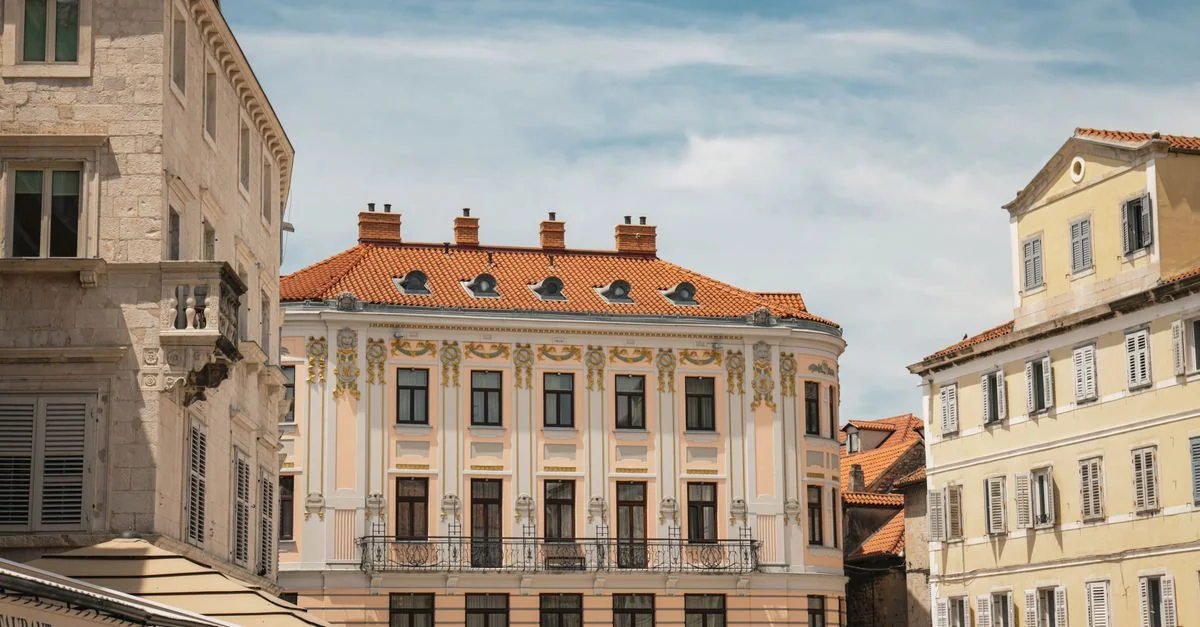
Walking the ancient limestone streets of Diocletian’s Palace, where Roman emperors once strolled, offers a unique backdrop for puzzle enthusiasts looking to test their deductive reasoning skills. Having played hundreds of breakout games across every continent, I always look for how a destination integrates its local history and unique urban geography into interactive gameplay. Grad Split presents a specific landscape for experiential gaming, prioritizing self-guided outdoor formats that turn the city itself into a game board. When you step into the historic center of this coastal destination, you are not just viewing architectural ruins; you are navigating a sprawling, open-air puzzle environment designed to challenge your observational powers. Escape Rooms in Grad Split: What来 Expect # When tackling puzzle experiences in Grad Split, you need to adjust your expectations away from traditional indoor, padlock-heavy breakout rooms and lean into outdoor exploration. Traditional four-walled escape rooms rely on props, sliding mechanisms, and linear clues, but the local market focuses heavily on self-guided formats. You will interact with ancient stone carvings, architectural quirks, and public monuments rather than manufactured set design. Practical tip: Always charge your smartphone fully and bring an external battery pack before starting any outdoor puzzle game here, as GPS tracking and web-based interfaces drain batteries quickly under the Mediterranean sun.

The Roman amphitheater in Pula stands as a massive stone reminder of history, but for those of us who prefer solving mysteries to admiring architecture, the streets themselves serve as the board for our games. Having spent years traveling between different countries to test my logic against various game designs, I have learned that the best way to see a city is often through the lens of a challenge. In Grad Pula, the experience shifts away from traditional locked rooms toward interactive, self-guided explorations that turn the urban landscape into a giant puzzle. Escape Rooms in Grad Pula: What to Expect # When you step into the world of escape games in this coastal city, you should anticipate a departure from the standard four-walled room environment. Unlike the classic setups found in major capitals where you are confined to a single space with a ticking clock, the experiences here prioritize mobility and local discovery. You will find that these games are designed to integrate the history and geography of the city into the narrative flow. As someone who has played hundreds of rooms, I appreciate this shift because it requires a different set of skills. You are not just looking for keys under rugs or magnets behind paintings; you are looking for clues in the architecture, the street signs, and the public monuments.
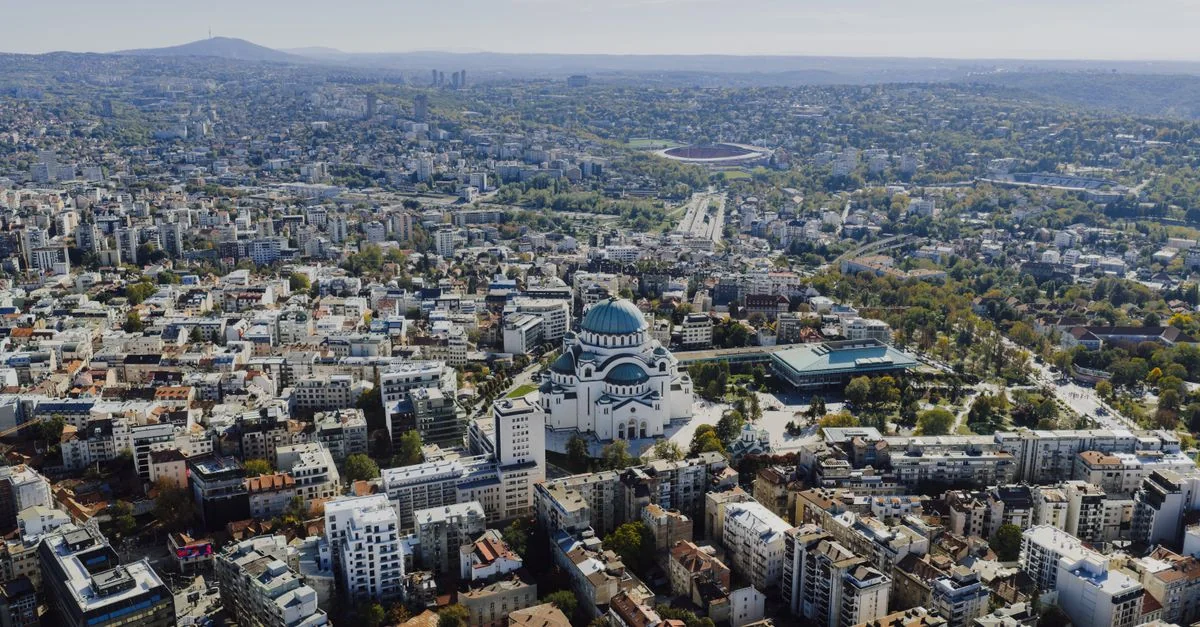
Having walked through hundreds of heavy steel doors, solved countless glowing keypad sequences, and watched the digital countdown timer tick down to its final seconds in facilities across the globe, I look for specific mechanics when evaluating a city’s puzzle landscape. Grad Beograd offers a distinct approach to interactive entertainment, stripping away the traditional physical storefront experience in favor of an independent, mobile-driven investigation format that relies entirely on outdoor deduction and urban navigation. Escape Rooms in Grad Beograd: What to Expect # When you step into a city like Grad Beograd looking for live-action room escapes, you need to recalibrate your expectations regarding traditional brick-and-mortar operations. Unlike standard multi-room facilities featuring automated sensors, magnetic locks, and theatrical lighting rigs, the available puzzle ecosystem here operates out in the open streets, turning the municipal architecture, historic plaques, and public squares into your playing field. You will not find padlocks attached to wooden chests in a basement; instead, your clues are integrated directly into the urban environment, requiring your team to observe architectural details, decipher local landmarks, and piece together a narrative while moving through the city at your own pace. Practical tip: Always check your smartphone battery level and carry a reliable power bank before starting an outdoor route, as GPS tracking and digital puzzle interfaces will drain your device quickly while you navigate.
Rain tapped persistently against the reinforced glass of a telephone box on Buchanan Street while I checked my watch, mentally cataloging the three hundred and forty-two escape rooms I have successfully solved across every continent except Antarctica. Glasgow City holds a particular type of atmospheric grit that makes it prime territory for puzzle design. After spending decades locked in chambers, deciphering ciphers, and dodging digital countdown timers, I can tell you that stepping onto the streets of this Scottish hub offers a specific brand of interactive street puzzle and outdoor detective work. When you approach these local challenges, you need the right mindset, comfortable footwear for the Scottish weather, and an eye for the unconventional details that designers love to tuck into city street corners. Escape Rooms in Glasgow City: What to Expect # When you book an escape room experience in Glasgow City, you are stepping away from standard four-walled physical interiors and moving into outdoor detective games and city-wide exploration formats. Having played countless traditional warehouse builds, I appreciate how these open-air challenges utilize the actual urban architecture of Glasgow City as a game board. Expect to examine historical plaques, decode street signs, and interact with the physical environment in ways that test your powers of observation rather than just your ability to open a magnetic padlock. Weather is a constant factor here, so you must prepare for sudden downpours while analyzing clues on your mobile device. Practical tip: Bring a clear plastic sleeve or waterproof case for your smartphone to keep your screen readable during wet weather while you interact with outdoor location-based puzzles.

Granada holds a unique position on the European puzzle map, having played host to thousands of visiting teams tackling physical and digital mystery games across its historic terrain. Having personally locked myself into well over four hundred different scenarios across five continents, I approach any new city with a strict checklist of what makes a quality interactive experience. When looking at the current landscape in GR, the available offerings lean heavily into outdoor exploration and self-directed deductive reasoning rather than traditional brick-and-mortar padlocks and countdown clocks. The city’s geography—a dense labyrinth of Moorish architecture, narrow cobblestone alleys, and steep hills—creates an ideal natural game board for teams looking to test their observation skills outside a standard room. Escape Rooms in GR: What to Expect # Walking into the puzzle landscape of GR requires adjusting your mindset if you are accustomed strictly to indoor, four-walled environments with a countdown timer glowing red above a door. Here, the experience utilizes the urban architecture itself as the set design. Teams stepping into the local scene will find themselves navigating public squares, historic landmarks, and winding streets rather than waiting in a decorated lobby for a gamemaster to give a briefing over an intercom. Practical tip: Wear comfortable walking shoes with good grip, as the historic paving stones and steep inclines will test your endurance just as much as the mental challenges.