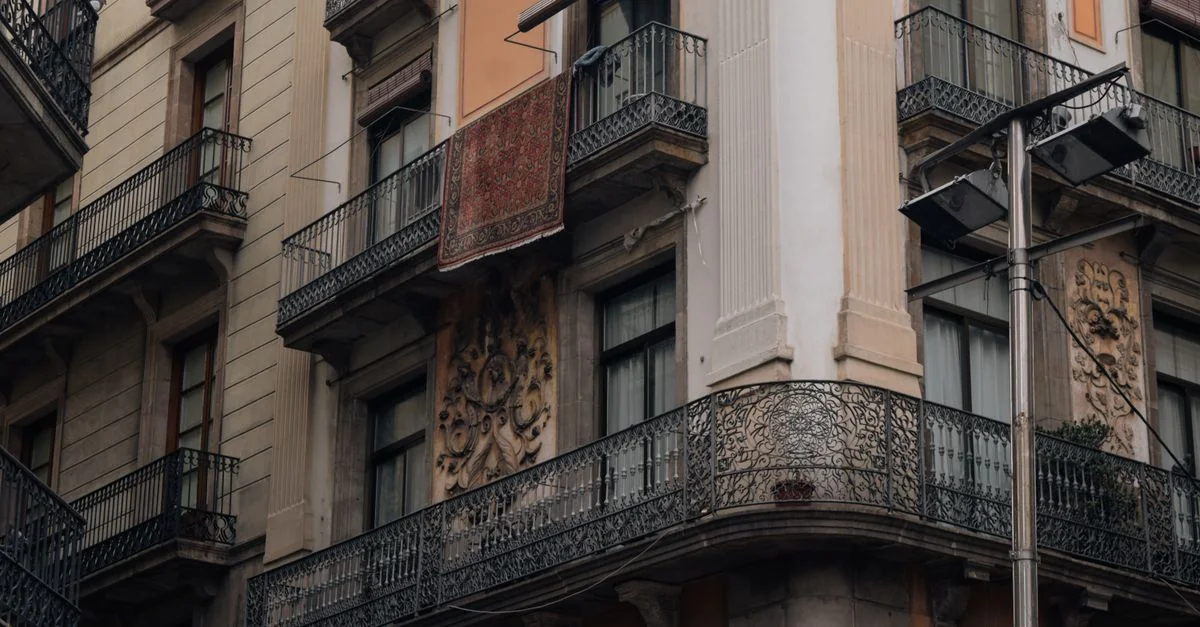
Standing outside a Gothic Quarter portal with a countdown timer ticking on my phone screen, I realized Barcelona offers puzzle hounds a completely distinct playground from standard warehouse escape rooms. Having tackled hundreds of physical breakout boxes and outdoor enigmas across every continent, I approach urban exploration games with a rigorous eye for puzzle flow, prop quality, and spatial design. Barcelona brings its architectural history directly into the gameplay, swapping padlocks for local lore and street-level deduction. Every single one of the four available experiences in the city is currently discounted, making this an ideal moment to test your deductive reasoning against the Catalan capital’s streets. Escape Rooms in Barcelona: What to Expect # Traditional escape rooms lock you in a decorated room for sixty minutes, but Barcelona leans heavily into outdoor and self-guided formats that utilize the city itself as your game board. When you sign up for an escape room experience here, you typically receive digital prompts, maps, or puzzle booklets that direct you through historic plazas, parks, and alleyways. You will not find standard linear padlock-and-key setups in these outdoor configurations. Instead, the mechanics rely on environmental observation, deciphering architectural details, and solving riddles tied to local history and famous figures. Practical tip: Download any required game files or apps on hotel Wi-Fi before heading out, as outdoor data connections can occasionally bottleneck in narrow medieval streets.

I stood in a narrow, cobbled alleyway in the Portuguese capital, checking my watch and scanning a stone wall for the next clue while dodging traditional yellow trams. Having locked myself out of rooms across Tokyo, London, and Berlin, I approach a city’s puzzle scene with a specific set of expectations. Lisbon offers a distinct flavor of puzzle-solving, moving away from traditional padlocks chained to warehouse walls and into the open air of historical plazas and steep hillsides. Escape Rooms in Lisbon: What to Expect # When you step into the puzzle ecosystem of Lisbon, you quickly realize that the city itself serves as the primary game board. Traditional indoor facilities exist, but the local market leans heavily toward outdoor city exploration games and smartphone-guided investigations that utilize the urban architecture. You will not find damp basements here; instead, your game environment consists of limestone pavements, ancient cathedrals, and sun-drenched viewpoints overlooking the Tagus River. The mechanics rely heavily on observation of physical street furniture, historical plaques, and architectural details that most tourists walk past without a second glance. Communication is key, especially when navigating crowded plazas with teammates while decoding cipher sheets or matching historical dates on statues. A practical tip for playing outdoor games in this specific environment is to wear sturdy footwear with good grip, as the polished limestone sidewalks become exceptionally slick when dealing with morning humidity or sudden coastal mist.
Cobblestone pavements echo under boots as historical facades tower above the narrow alleys of Austria’s capital, concealing intricate networks of physical puzzles and deductive challenges waiting to be solved. Having locked myself inside hundreds of themed chambers across every continent, I approach any new puzzle city with a sharp eye for flow, lock quality, and spatial design. Vienna offers a distinct flavor of puzzle-solving, seamlessly blending traditional indoor escape rooms with sprawling city-wide exploration games that use the historical architecture itself as a game board. When you step up to a door in this city, you are rarely just playing a game; you are stepping into narratives that weave through the imperial history of the Habsburg monarchy and the shadowy corners of modern espionage. Escape Rooms in Vienna: What to Expect # The local puzzling scene leans heavily into self-guided outdoor formats and tightly controlled private indoor sessions, making group coordination a breeze for visiting enthusiasts. When you book a session here, expect clear starting instructions, often digitally delivered, which allow your team to set its own pace through the city streets or historical chambers. Indoor setups prioritize intimate team dynamics, while outdoor missions turn landmarks into dynamic backdrops for deduction. Practical tip: Always charge your mobile devices fully before arriving, as digital clues and maps form the backbone of these self-guided Vienna adventures.
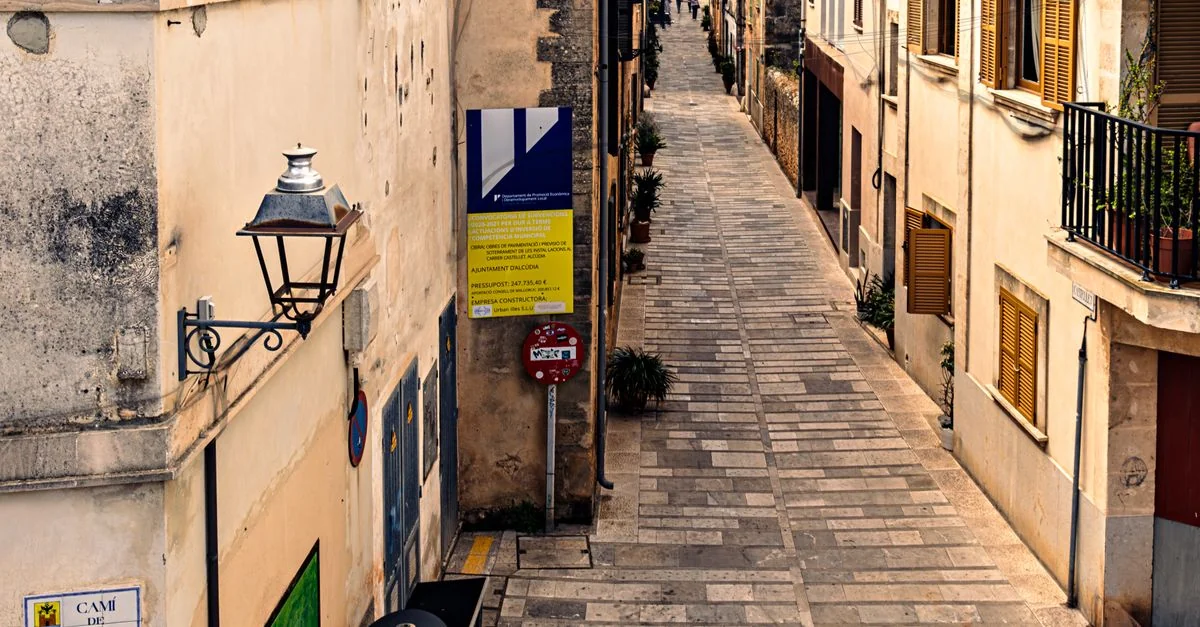
Standing in the shadow of the Bastione di Saint Remy with a mobile device in hand, I stared down at a puzzle prompt that turned a routine walk through the Sardinian capital into an active investigation. Having played hundreds of physical escape rooms across every continent, I approach outdoor city games with a heavy dose of skepticism. Yet, Cagliari offers a specific style of puzzle running that utilizes its historic topography and Mediterranean atmosphere quite effectively. The city currently lists 10 escape room style experiences, though astute travelers will notice that the official inventory includes a few regional overlaps from Spain that crept into the local database. When filtering specifically for operations anchored directly in Cagliari, the selection centers primarily on self-guided mystery trails that test your deduction skills out in the open air rather than inside a traditional dead-bolt lockbox. Escape Rooms in Cagliari: What to Expect # When you book an escape room experience in Cagliari, you need to recalibrate your expectations away from dark, padlocked chambers with linear prop puzzles. Traditional indoor venues with four walls and a countdown clock are notably sparse in the provided data for this specific municipality. Instead, the puzzle scene here leans heavily into outdoor urban exploration games. You will find yourself navigating through alleys, piazzas, and historic quarters while solving cryptographic sequences delivered to your phone. These games rely on geolocation triggers, observational challenges, and deciphering historical clues embedded in the local architecture. As an enthusiast who appreciates clever mechanism design, I found that these outdoor setups compensate for the lack of mechanical levers and physical triggers by offering genuine spatial immersion within a real city. Practical tip: Download all offline maps and game assets over Wi-Fi before stepping outside, as roaming data drops can stall your timer and ruin the pacing of a timed deduction sequence.
Standing in front of the massive Gothic silhouette of St. John’s Cathedral in the historic core of North Brabant, I immediately start scanning the cobblestones for cipher clues, architectural anomalies, and covert drop points. Having cracked padlocks, bypassed laser grids, and decrypted logic puzzles in hundreds of facilities across the globe, I look at cities through a very specific lens. ’s-Hertogenbosch—or Den Bosch, as the locals call it—presents a fascinating puzzle landscape. Instead of traditional brick-and-mortar storefronts with countdown clocks on the wall, this Dutch medieval stronghold leans heavily into outdoor exploration games. These open-air puzzle experiences transform the city’s ancient ramparts, winding canals, and hidden courtyards into a sprawling game board. When you step off the train here, you are not just walking through a pretty European town; you are entering an interactive theater where every street corner hides a riddle. Escape Rooms in ’s-Hertogenbosch: What to Expect # When veteran enthusiasts think of escape rooms, they usually picture a tightly controlled, air-conditioned room with 60 minutes ticking down on an LED screen. In Den Bosch, the local puzzle scene takes a different approach by moving outdoors. You should expect self-guided formats that rely on mobile devices, printed materials, or downloaded apps to guide your team through the municipality. The environment itself becomes your game space. You will examine statues, count plaques, decipher historical dates carved into stone facades, and interact with the physical architecture of the city. Weather plays a major factor here, unlike indoor facilities where climate control keeps you sheltered. Rain gear and comfortable walking shoes are mandatory pieces of equipment. Communication is still vital, but instead of shouting across a dimly lit dungeon, you will huddle with your teammates under a café awning or beside a historic canal to debate your next coordinate.

The narrow, winding streets of Nice provide a natural labyrinth that serves as the perfect backdrop for outdoor puzzle games. Having spent years navigating high-tech indoor facilities from Tokyo to Berlin, I have learned that the quality of an escape experience often relies on how well the narrative integrates with the physical environment. In the Alpes-Maritimes region, the focus shifts away from traditional locked rooms toward city-wide exploration games that utilize the architecture and history of the French Riviera to challenge your deductive reasoning. Escape Rooms in Alpes-Maritimes: What to Expect # When you engage with puzzle experiences in this region, you are not stepping into a static room with four walls and a timer on a screen. Instead, these experiences function as self-guided adventures that turn the city itself into your game board. You should expect to spend significant time walking between landmarks, as the puzzles are tied to specific locations rather than contained within a single building. The mechanics generally involve using a mobile device to receive clues, input answers, and track your progress as you move through public spaces.

Rain is slicking the asphalt outside the historical John Frost Bridge as I adjust my phone battery pack, preparing to tackle another outdoor puzzle route. Having logged hundreds of escape rooms across every continent, I know that great puzzle design relies entirely on how well the creators use their environment. Arnhem offers a distinct flavor of puzzle-running, swapping traditional four-walled breakout boxes for sprawling outdoor urban exploration games. When you play here, the city itself becomes your game board, utilizing actual landmarks, monuments, and street furniture to construct logical deduction challenges. Escape Rooms in {city}: What to Expect # Stepping out into an urban puzzle environment requires a different mental toolkit than staring at a padlock in a dark basement. Instead of searching for a UV flashlight behind a bookshelf, you are decoding historic plaques, measuring distances between statues, and navigating the grid of the city streets. In Arnhem, the three available experiences all follow this outdoor, self-guided format. You do not need to check in with a live game master standing behind a counter with a clipboard. Instead, these games rely on digital platforms that deliver clues, riddles, and map coordinates directly to your mobile device as you move from one location to the next.
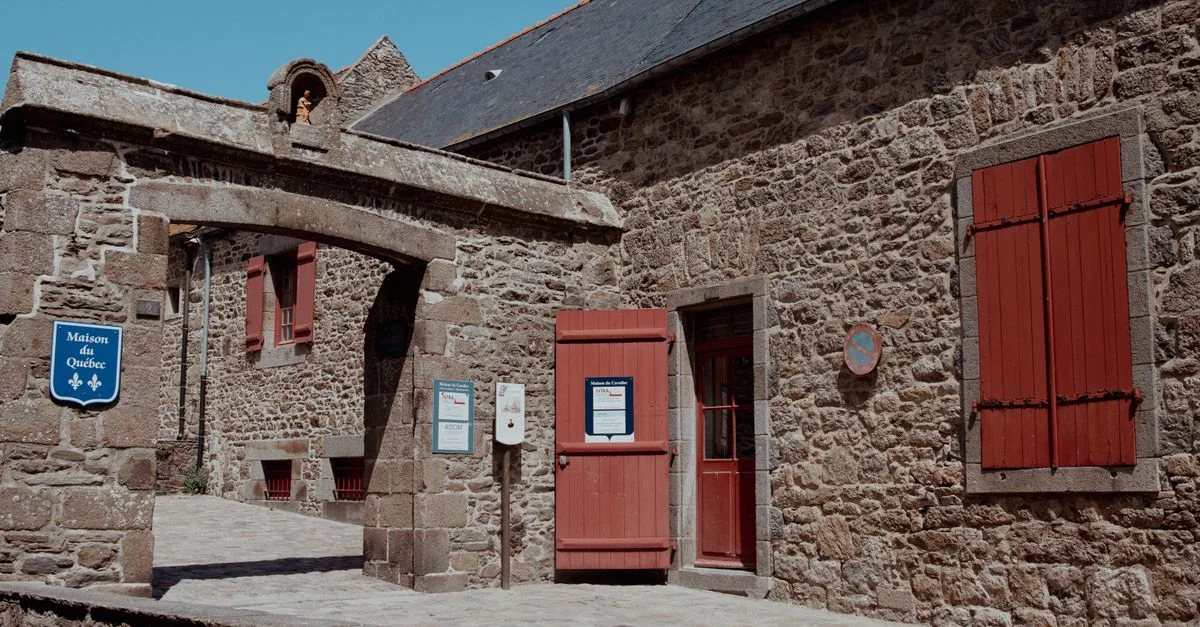
Standing outside a locked door in Marseille with the countdown timer ticking down from sixty minutes is a specific type of joy I have chased across hundreds of venues globally. Bouches-du-Rhône offers a distinct regional flavor to puzzle solving, shifting away from standard warehouse storefronts and out onto the historic streets themselves. When you approach these urban puzzle paths, you immediately realize that the city’s architecture and layout form the actual board. Having tackled rooms from Tokyo to Budapest, I always appreciate when a region uses its physical environment to challenge logic, observation, and deduction. Escape Rooms in Bouches-du-Rhône: What to Expect # Unlike traditional brick-and-mortar facilities where you are confined to a single decorated room, the options available in this region lean heavily into outdoor exploration games. You will not find sliding mechanical walls or heavy vault doors here; instead, your game masters are the winding alleyways, historic monuments, and coastal facades of Marseille. When you start one of these experiences, you receive prompts, clues, and narrative contexts that require you to look closely at statues, plaques, and architectural details you might otherwise walk past. Practical tip: Wear comfortable walking shoes with good grip, as the historic pavements and stone steps around Marseille can become slick and require plenty of footwork over the course of your game.
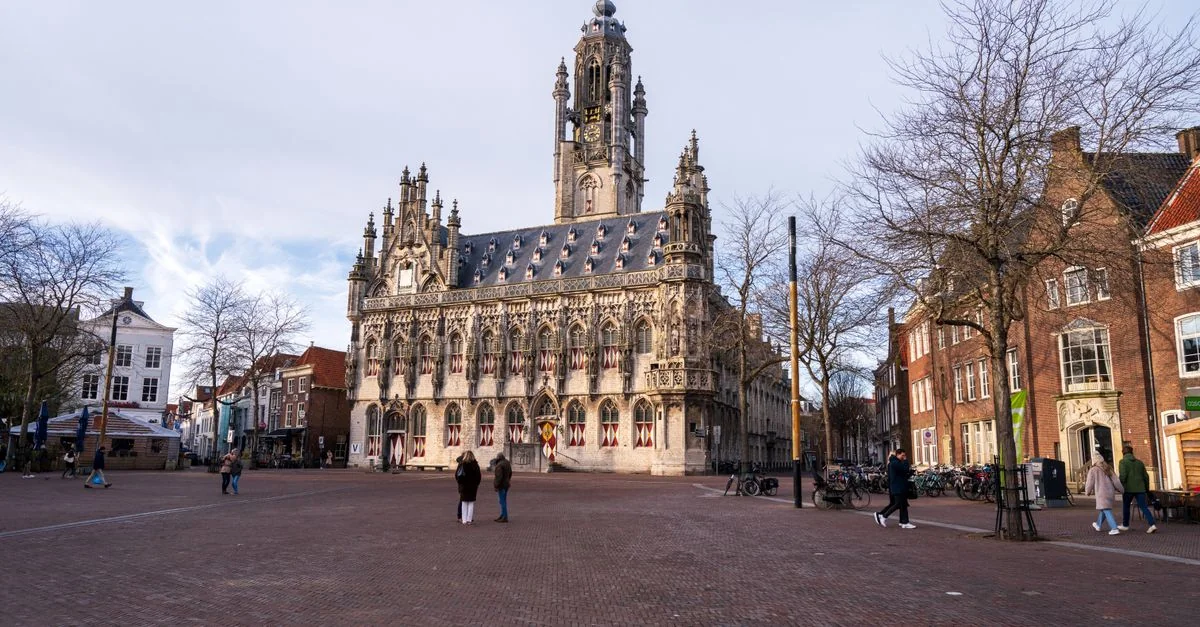
The narrow, brick-lined streets of Delft, often reflecting the quiet movement of canals, provide a unique backdrop for puzzle-solving that moves beyond the confines of a single locked room. Having spent years navigating complex mechanical locks, intricate narrative arcs, and high-pressure countdowns in facilities across the globe, I have learned that the best experiences are those that force you to engage with your surroundings. In Delft, the city itself functions as the game board. You are not confined to a basement or a converted office space; instead, you are walking the same paths as historical figures, using the architecture of the Netherlands to decode clues and progress through your mission. Escape Rooms in Delft: What to Expect # When you step into a city-based escape room in Delft, your expectations should shift from physical props to environmental observation. Unlike traditional rooms where you hunt for keys inside drawers, these experiences rely on your ability to interpret plaques, statues, and historical markers. You are effectively playing a live-action detective game. The pace is entirely dictated by your own movement, which allows for a more relaxed approach than the frantic sixty-minute timers found in traditional indoor facilities. You will find that these games are designed to be accessible to anyone with a sharp eye and a comfortable pair of walking shoes. Because these are self-guided, you do not have to worry about a game master hovering over your shoulder, though you must be disciplined enough to manage your own time if you want to complete the objectives efficiently.
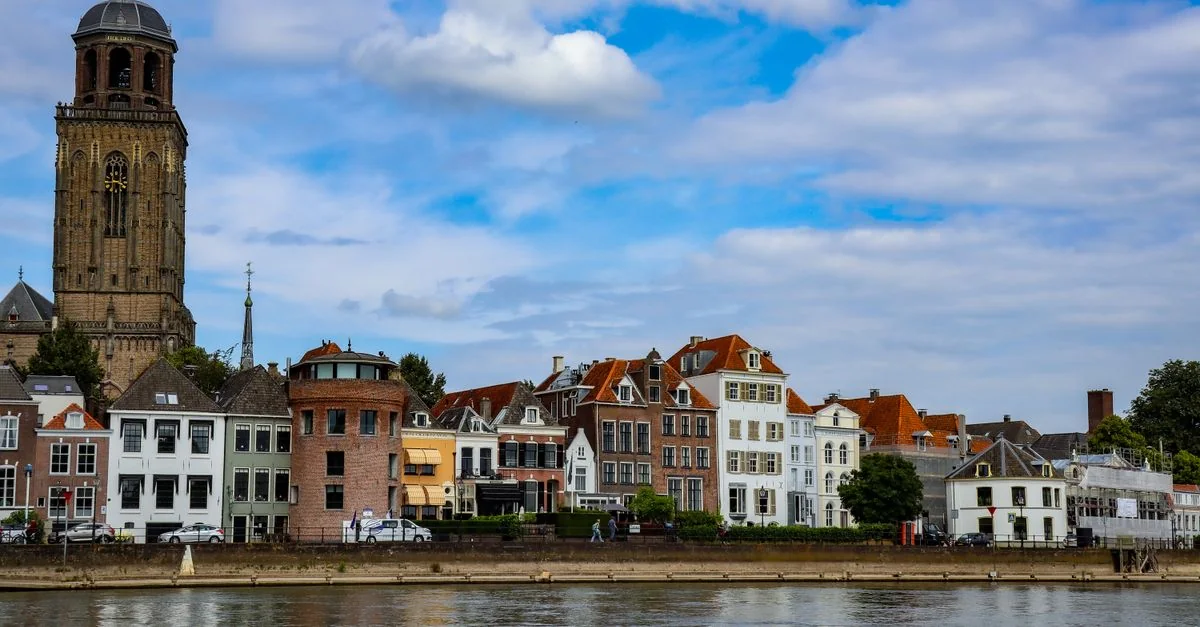
Deventer has 16 active bells swinging in the tower of the Bergkerk, but my eyes are fixed on the cobblestones of the Brink, searching for the exact spot where a digital clue aligns with a medieval brick facade. Having locked and unlocked hundreds of breakout boxes, containment cells, and street-wide puzzle routes across the globe, I look at cities through a very specific lens. Deventer offers a unique outdoor popular with puzzle solvers, relying on its historic architecture and smartphone navigation rather than traditional brick-and-mortar storefronts. Escape Rooms in Deventer: What to Expect # When you book an escape room experience in Deventer, you step away from the classic indoor scenario of a ticking wall clock and a padlocked door. Instead, the entire medieval municipality acts as your game board. These outdoor city exploration games leverage mobile applications to feed you riddles, photographic challenges, and narrative prompts based on your real-world GPS coordinates. You will find yourself pausing beside centuries-old brick warehouses, deciphering statues, and examining church gates for clues that fit the storyline. Practical tip: Always bring a fully charged power bank, because outdoor GPS tracking combined with screen-on puzzle solving will drain your phone battery much faster than standard indoor rooms.