
I have unlocked doors, disarmed simulated bombs, and deciphered ancient ciphers in hundreds of rooms across the globe, from Tokyo to Toronto. When I arrived in the Bas-Rhin department of France, my hands naturally gravitated toward the local puzzle scene. The region approaches interactive entertainment with a specific regional flavor, relying on self-guided exploration that turns the historic streets into a massive game board. If you share my obsession with padlocks, secret compartments, and environmental storytelling, the available roster here offers distinct challenges. Escape Rooms in Bas-Rhin: What to Expect # When seasoned players hear the phrase escape room, we picture a confined space with a sixty-minute countdown timer on the wall. In Bas-Rhin, the local inventory pivots away from traditional four-wall enclosures and leans heavily into outdoor exploration games. You will not find standard facility-based game masters handing you walkie-talkies here; instead, the physical environment of the destination acts as your primary prop. Puzzles are integrated into the architecture, monuments, and street furniture of the area. Practical tip: Wear comfortable walking shoes, as these outdoor puzzle experiences demand significant physical mobility across uneven cobblestone streets compared to standard indoor facilities.

The humidity hits you the moment you step off the Skytrain, but for those of us who prefer solving puzzles over navigating traffic, the city offers a unique way to see the streets. Having spent years traveling from London to Tokyo to test my wits against various locks, magnets, and narrative arcs, I have learned that the best way to understand a city is to treat its streets as a giant game board. Bangkok is a sprawling metropolis, and while many tourists stick to the standard temple circuit, the puzzle-based experiences here allow you to engage with the environment on a much more granular level. You are not just walking past buildings; you are analyzing them for clues, looking for patterns in the architecture, and treating the city as a living, breathing set piece. Escape Rooms in Bangkok: What to Expect # When you engage with puzzle experiences in a city as dense as this one, you should expect a departure from the traditional four-walled room found in a basement. In Bangkok, the format shifts toward the self-guided exploration model. This means you are not locked in a room with a ticking clock on the wall; instead, you are navigating the physical geography of the city while using your phone or a provided guide to unlock the next location. The challenge here is balancing the mental load of the puzzles with the physical reality of the heat and the crowds. You will find that these games require a high degree of situational awareness. You must be able to spot details in public spaces that others walk right past, such as specific inscriptions on a monument or a repeating motif on a gate.
Standing outside a locked door in Tijuana with the countdown timer ticking down from sixty minutes is a feeling I know intimately. Having successfully solved hundreds of escape rooms across the globe, from cramped warehouses in Tokyo to historic cellars in Budapest, my pulse still spikes the moment the game master clicks the magnetic lock into place. When my travels brought me to the northern tip of the Baja California peninsula, I immediately set out to see how local puzzle creators handle interactive entertainment. While many travelers assume this region is strictly about coastal resorts and culinary tours, the street-level puzzle landscape offers unique, self-directed investigations that test your observational skills in an urban environment. Escape Rooms in Baja California: What to Expect # When you step into the puzzle scene here, throw out everything you know about traditional brick-and-mortar storefronts with linear combination locks and UV-paint walls. The experiences available in this region lean heavily into outdoor exploration and smartphone-guided deduction, acting as a hybrid between a classic scavenger hunt and an open-air detective case. Instead of being confined to a themed parlor, your game area expands to encompass the city streets, historic corners, and public plazas of Tijuana. You will interact with physical surroundings, read architectural details, and decode clues embedded in city landmarks. The pacing is entirely in your hands, meaning you can pause for street tacos or pick up the pace if you are racing against a personal clock. Communication is key, so make sure your team keeps a tight formation and divides up observational duties effectively. A practical tip for tackling these outdoor experiences is to bring an external battery pack for your smartphone, as running GPS, messaging apps, and puzzle interfaces simultaneously will drain your battery faster than a standard room escape.
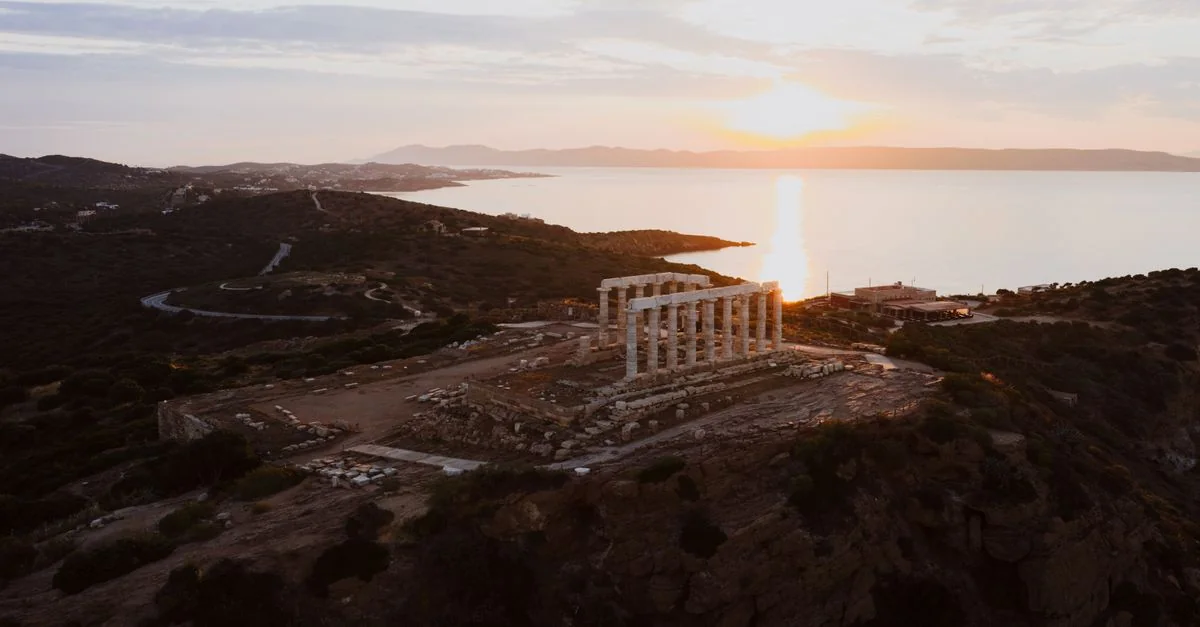
Standing in the shadow of the Acropolis with a smartphone in hand and a cipher to crack, I realized that Athina offers a distinct flavor of puzzle-solving that differs entirely from warehouse-style facilities in London or Tokyo. Having tackled hundreds of escape rooms across the globe, I look for game design that forces players to engage with the actual environment rather than just staring at foam-board props. Athina utilizes its historic streets and open-air layout for puzzle designs that rely on outdoor exploration. Escape Rooms in Athina: What to Expect # When you book an escape-style experience in Athina, you should prepare to step away from traditional indoor padlock-and-key setups. The city’s offerings focus heavily on self-guided exploration games that transform historic neighborhoods into sprawling game boards. Instead of a game master watching through a CCTV camera, your timeline is managed by your own pace and a digital device. You will find yourself examining statues, deciphering street names, and connecting historical clues to solve overarching mysteries. Practical tip: Wear comfortable walking shoes, as Athina’s ancient pavements and marble walkways demand sturdy footwear during extended puzzle sessions.
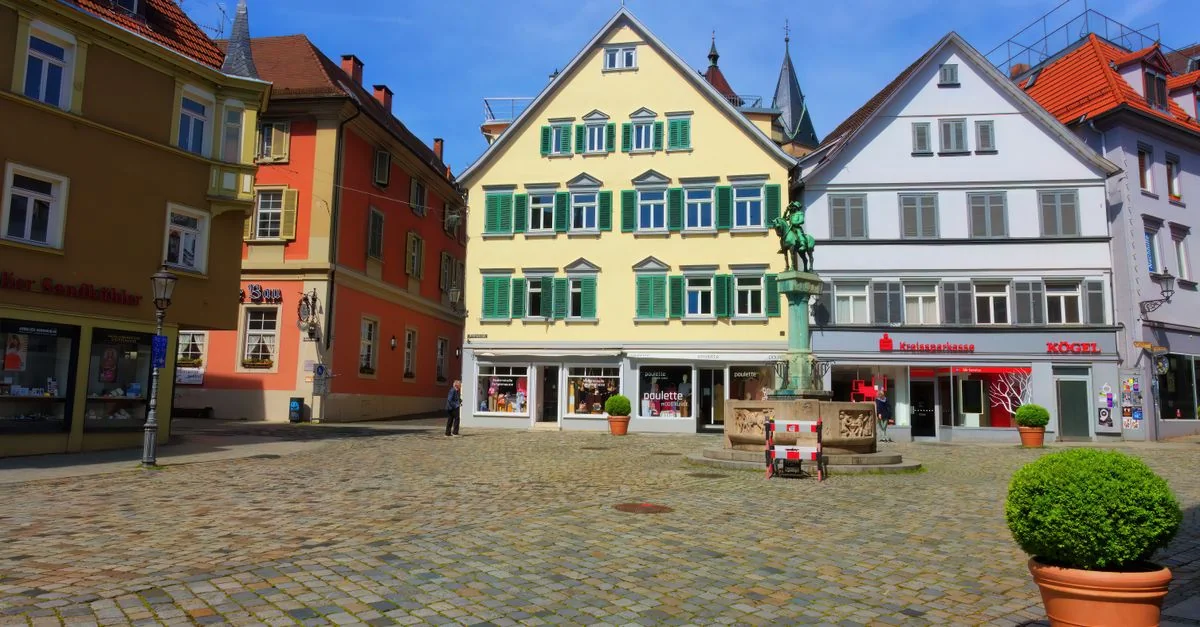
Standing in the picturesque streets of Arnsberg, surrounded by medieval ruins and slate-roofed houses, my mind naturally drifts toward puzzles, hidden mechanisms, and locked doors. Having unlocked hundreds of rooms across the globe, from damp concrete basements in Berlin to high-tech installations in Tokyo, my pulse always quickens when I arrive in a new destination. While Arnsberg itself offers a specific atmosphere of historical intrigue, puzzle enthusiasts visiting the area will find that the local offerings extend into nearby urban environments, providing structured challenges that test lateral thinking and teamwork. Navigating these regional puzzle adventures requires the same analytical mindset I apply to any physical game room, where observing the environment and communicating effectively with teammates dictates whether you escape the timer. Escape Rooms in Arnsberg: What to Expect # When diving into puzzle experiences tied to Arnsberg and its surrounding region, you are stepping away from traditional four-walled indoor escape rooms and moving toward outdoor city exploration games. Traditional escape rooms rely on props, padlocks, and linear or non-linear puzzle paths within a confined interior space. In contrast, the experiences accessible from Arnsberg utilize the urban landscape as a game board, transforming public squares, historic facades, and street furniture into clues. Practical tip: Wear comfortable walking shoes, as outdoor escape games demand significant physical movement compared to stationary indoor rooms. You will be reading street signs, examining architectural details, and covering substantial ground on foot, so leave the stiff dress shoes in your luggage.
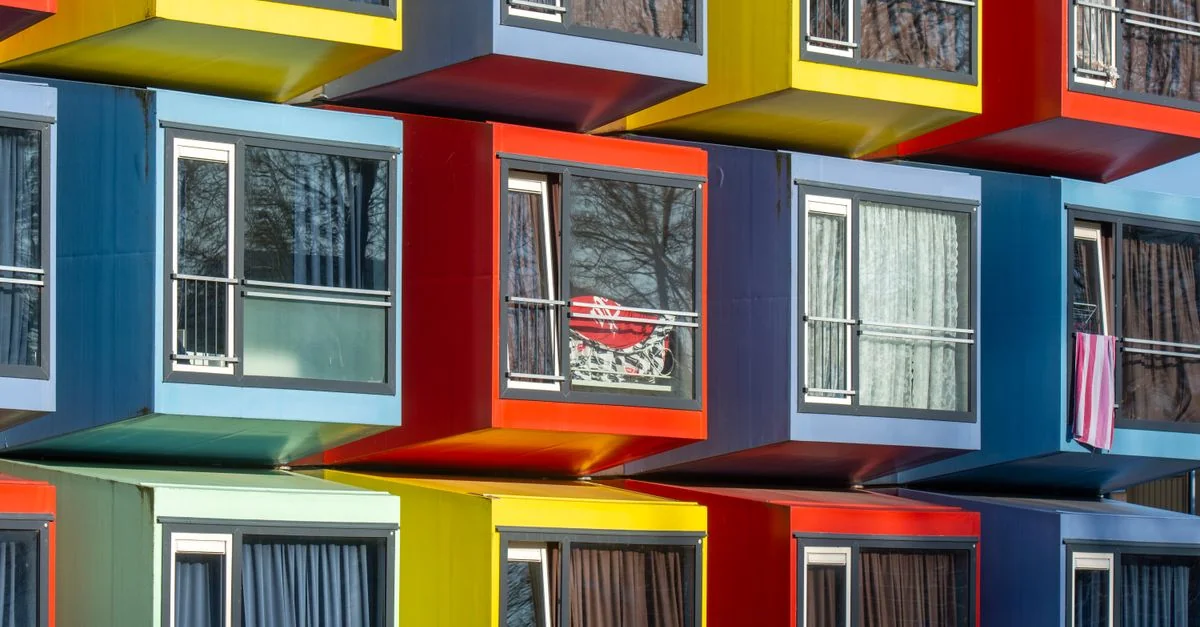
Standing on the modern, geometric pavement of Almere, looking out at the avant-garde architecture that defines this planned Dutch city, my mind immediately starts scanning for lock mechanisms, cipher wheels, and countdown timers. Having played over four hundred escape rooms across every continent except Antarctica, I always approach a new urban landscape by asking one simple question: where are the puzzles? Almere might be famous for its striking urban design and experimental architecture rather than ancient dungeons, but its puzzle landscape offers specific self-guided outdoor formats that test your deductive reasoning out in the open air. When you trade a traditional four-walled game room for the streets of a modern European city, the rules of engagement shift entirely, demanding a keen eye for architectural anomalies and public street furniture. Escape Rooms in Almere: What to Expect # When you step up to an outdoor puzzle experience in Almere, throw out everything you know about traditional brick-and-mortar game facilities with a gamemaster watching your every move through a grainy CCTV camera. Instead, these city-wide challenges rely on your smartphone and print materials to guide your team through urban corridors, public plazas, and waterfront pathways. You will not find heavy wooden doors with magnetic locks or glowing keypad entries here; instead, your environment becomes the game board. Practical tip: always bring a portable power bank because outdoor GPS navigation and continuous puzzle-solving apps will drain your phone battery much faster than a standard indoor briefing.
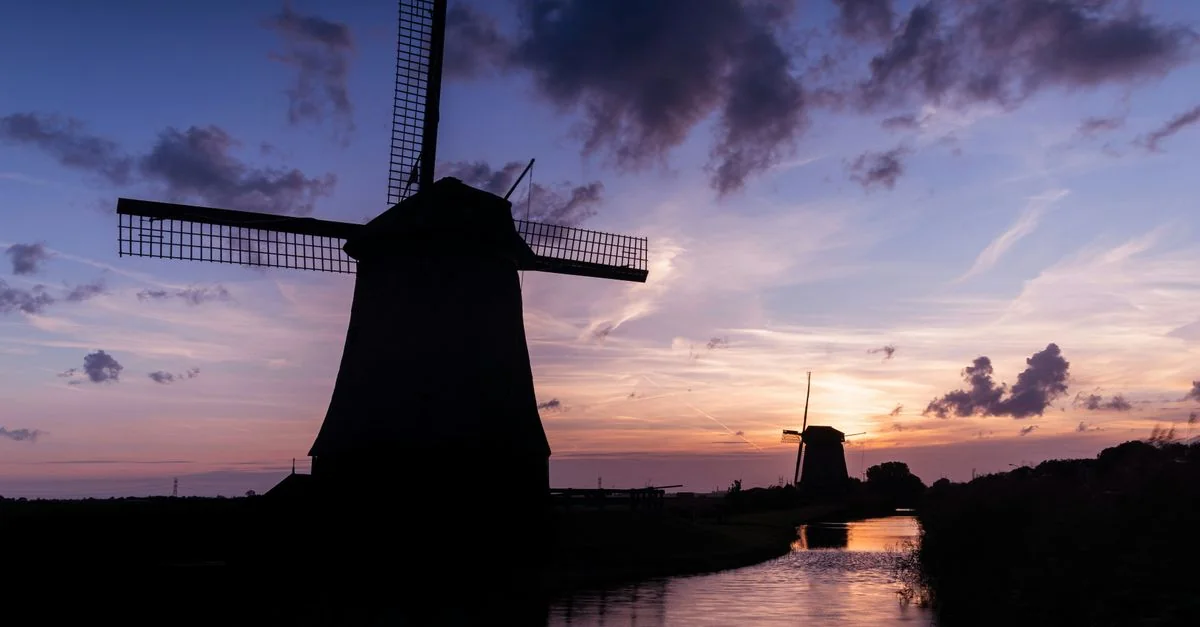
I stood in front of a seventeenth-century canal house in the Netherlands, clutching my smartphone and checking my watch, ready to crack a local mystery without a traditional countdown timer breathing down my neck. Having unlocked hundreds of physical escape rooms across the globe, from subterranean bunkers in Eastern Europe to tech-heavy sci-fi chambers in Japan, I always welcome a new format. Alkmaar offers a specific style of puzzle experience that relies on outdoor exploration, bringing the mechanics of puzzle rooms out into the historic streets of a Dutch cheese city. Escape Rooms in Alkmaar: What To Expect # When you picture an escape room, you usually think of a windowless room, a glowing countdown clock on the wall, and a gamemaster watching your every move through a grainy security camera. Alkmaar flips that traditional architecture on its head. Instead of four walls, your playing field consists of cobblestone paths, centuries-old facades, and sprawling Dutch architecture. You are not locked in, but rather locked out of the answers until you observe your surroundings, read plaques, decode architectural motifs, and solve location-based riddles using your device.

Standing on the sun-baked pavement of A with a phone in hand and a keen eye for environmental clues, I knew this was going to be a different kind of operational challenge. Having played hundreds of live-action breakout scenarios across every continent, my default setting is scanning brickwork for UV markings and checking loose floorboards for magnetic locks. While traditional four-wall countdown boxes usually dictate my travel itineraries, the local puzzle landscape in A offers a distinct flavor of urban deduction. When you travel extensively to test your wits against padlocks and logic grids, you learn that every region approaches puzzle design through its own cultural lens, blending local history with modern game mechanics. Escape Rooms in A: What to Expect # When tackling puzzle challenges in A, players step away from standard warehouse facilities and lean into street-level investigative work. Instead of walking into a dimly lit room with a sixty-minute countdown projected on a wall, the experience here leverages the urban geography as the game board. You will be examining facades, deciphering street furniture, and piecing together narratives woven into the city itself. A practical tip for this style of game is to wear comfortable walking shoes and bring a portable battery pack, as your mobile device serves as your primary tool for tracking progress and submitting answers.

Street lamps flickered over old cobblestones in Z as I checked my stopwatch, mentally preparing for another round of deduction and teamwork. Having played hundreds of escape rooms across every continent, I know that a city’s puzzle landscape tells you a lot about its local culture. Z keeps things focused, offering a specific brand of investigative gameplay that lets you explore the streets at your own pace. Whether you are traveling solo or bringing along a squad of keen-eyed detectives, tackling the local offerings requires a strategic approach. Escape Rooms in Z: What to Expect # When you think of traditional escape rooms, you probably picture a locked room with four walls, a countdown clock on the wall, and a gamemaster watching your every move through a security camera. In Z, the puzzle scene pivots toward outdoor self-guided experiences. Instead of breaking out of a physical room, you are breaking into a narrative spread across the urban landscape. You can expect to interact with historical architecture, public monuments, and street signs to solve clues. Practical tip: Always charge your smartphone to one hundred percent and bring a portable power bank, as these outdoor app-driven investigations will drain your battery quickly while you scan QR codes and read digital dossiers.
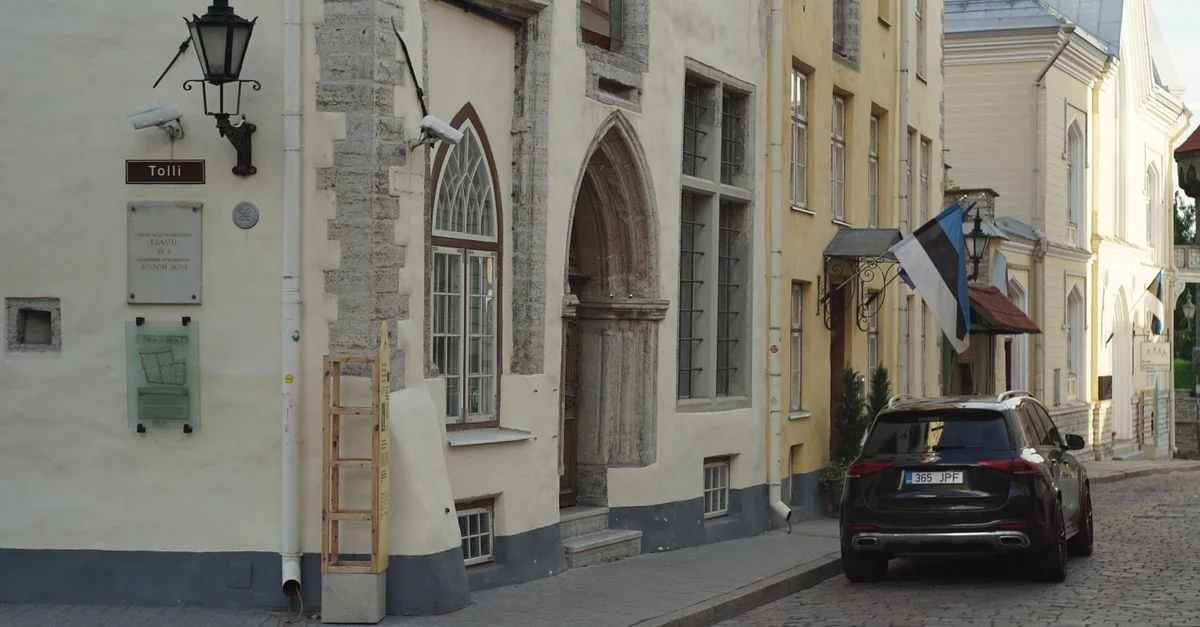
Standing outside a historic limestone building in the Baltics, checking my watch and mentally reviewing the inventory in my pockets, I know the exact rush that comes with starting a puzzle trail. Having locked myself out of hundreds of themed chambers across every continent, my brain automatically scans archways, cobblestones, and doorways for anomalies. Vilniaus apskritis offers a distinct flavor of puzzle-solving that relies heavily on self-guided exploration rather than traditional indoor countdown clocks. Instead of a linear room with a countdown clock ticking down from 60 minutes, the region’s top offerings put the entire city map in your hands. Escape Rooms in Vilniaus apskritis: What. to Expect # When you book an escape room or puzzle experience in Vilniaus apskritis, you are stepping away from standard padlocks and four-wall chambers. The local landscape favors outdoor, self-guided exploration games that transform historic streets into your playing field. You will not find a game master monitoring you through a closed-circuit camera here. Instead, your smartphone or printed clues guide your progression from landmark to landmark. Practical tip: Bring a portable power bank because running GPS and puzzle apps simultaneously drains phone batteries much faster than expected.